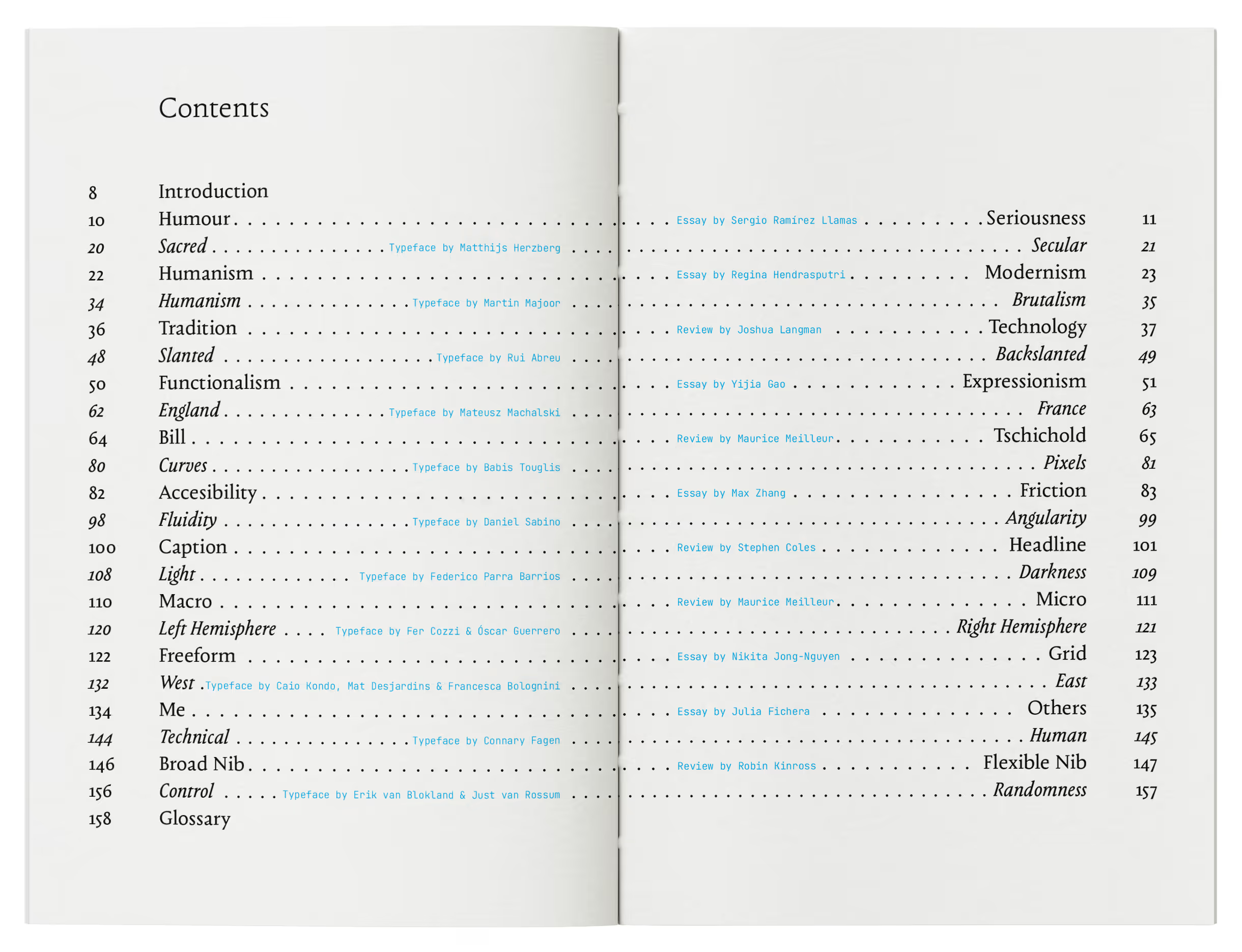
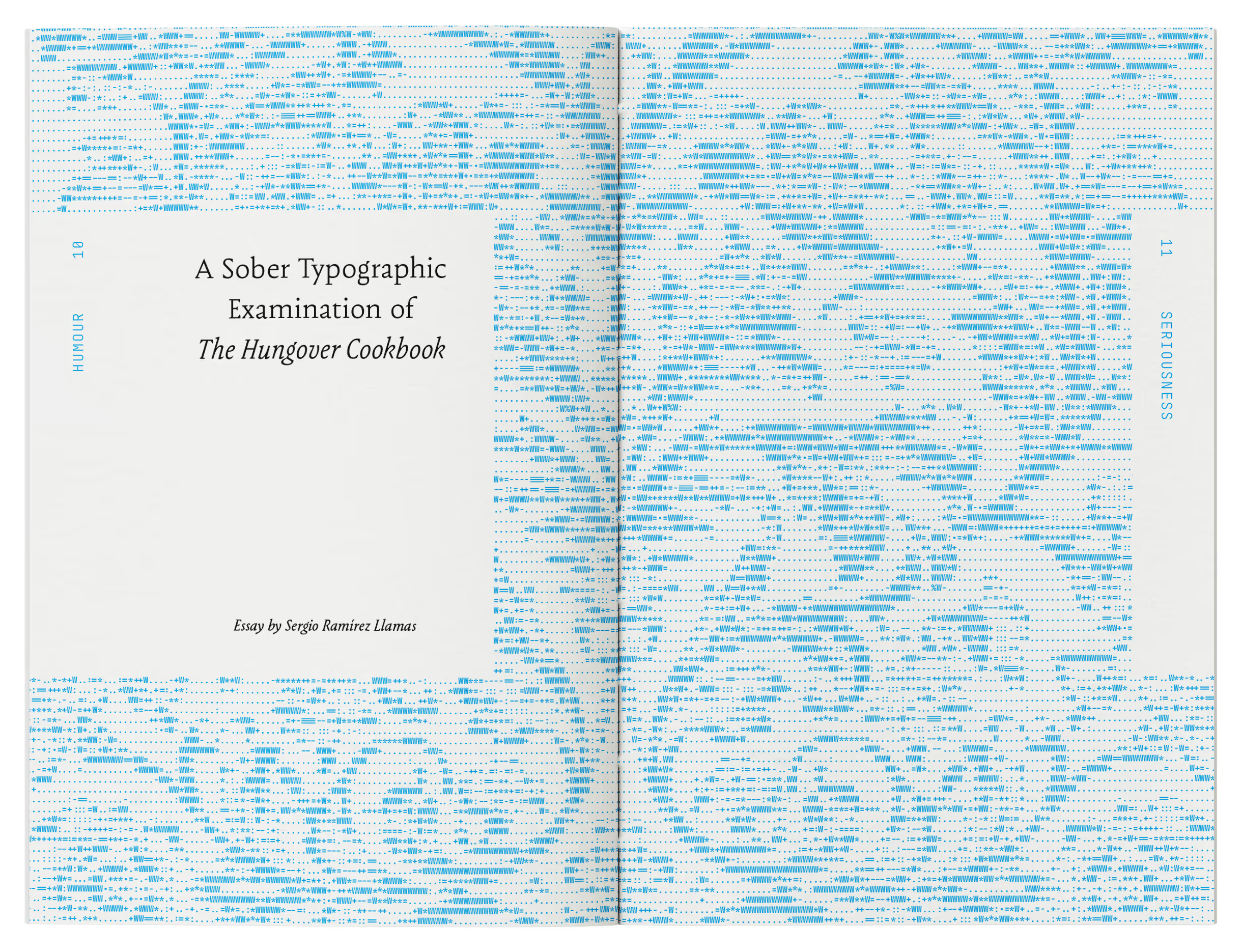



Opposites do not always rivalise or repel. While the history of typography in the 20th century seems marked by dichotomies — classicism versus modernism, structure versus chaos, transparency versus expressivity — sometimes opposing concepts can meet to create something refreshing and unexpected. This book is an exploration of the interesting results that this friction can create in the publication and typographic world, gathering a selection of texts that reflect on this principle.
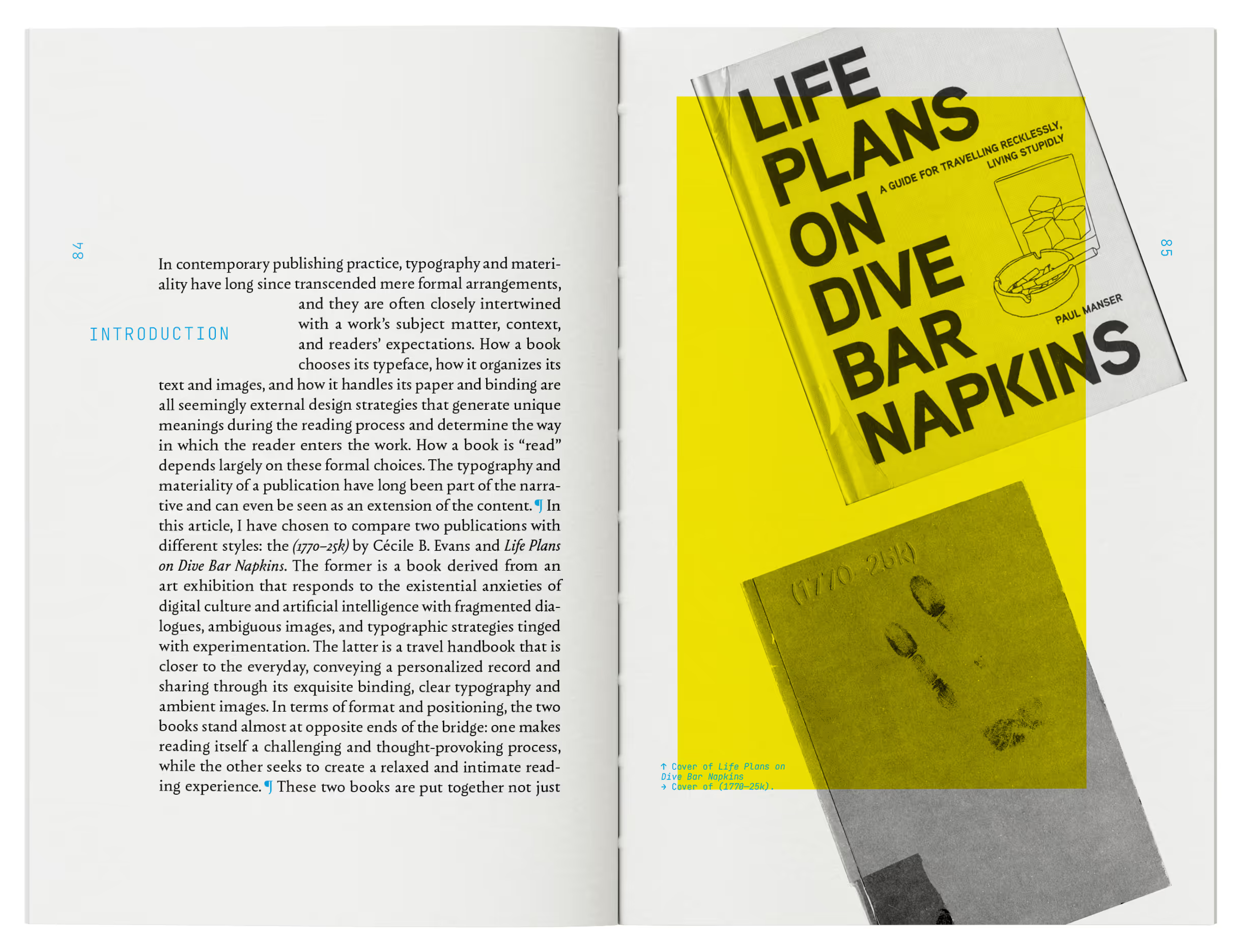
In this vein, the design of this book aims to be an expression of this concept. It borrows elements from opposite sides of the historical spectrum. The macro-typography — with its generous margins and solid blocks of text — borrows from the stately proportions of the Renaissance. This historical sensibility is contrasted with a modernist touch in the subheadings and sidenotes, where the use of white space acts as a clean, architectural frame.
The pilcrow is used in this book not only for its function of opening paragraphs but also to evoke its historical symbolism. It comes from the period when the printing press emerged, yet was still drawn by hand in vibrant ink by rubricators — a tradition carried over from the age of manuscripts. Now it reappears here to reference that intersection of hand and technology, reminding us that opposites can coexist and work together.